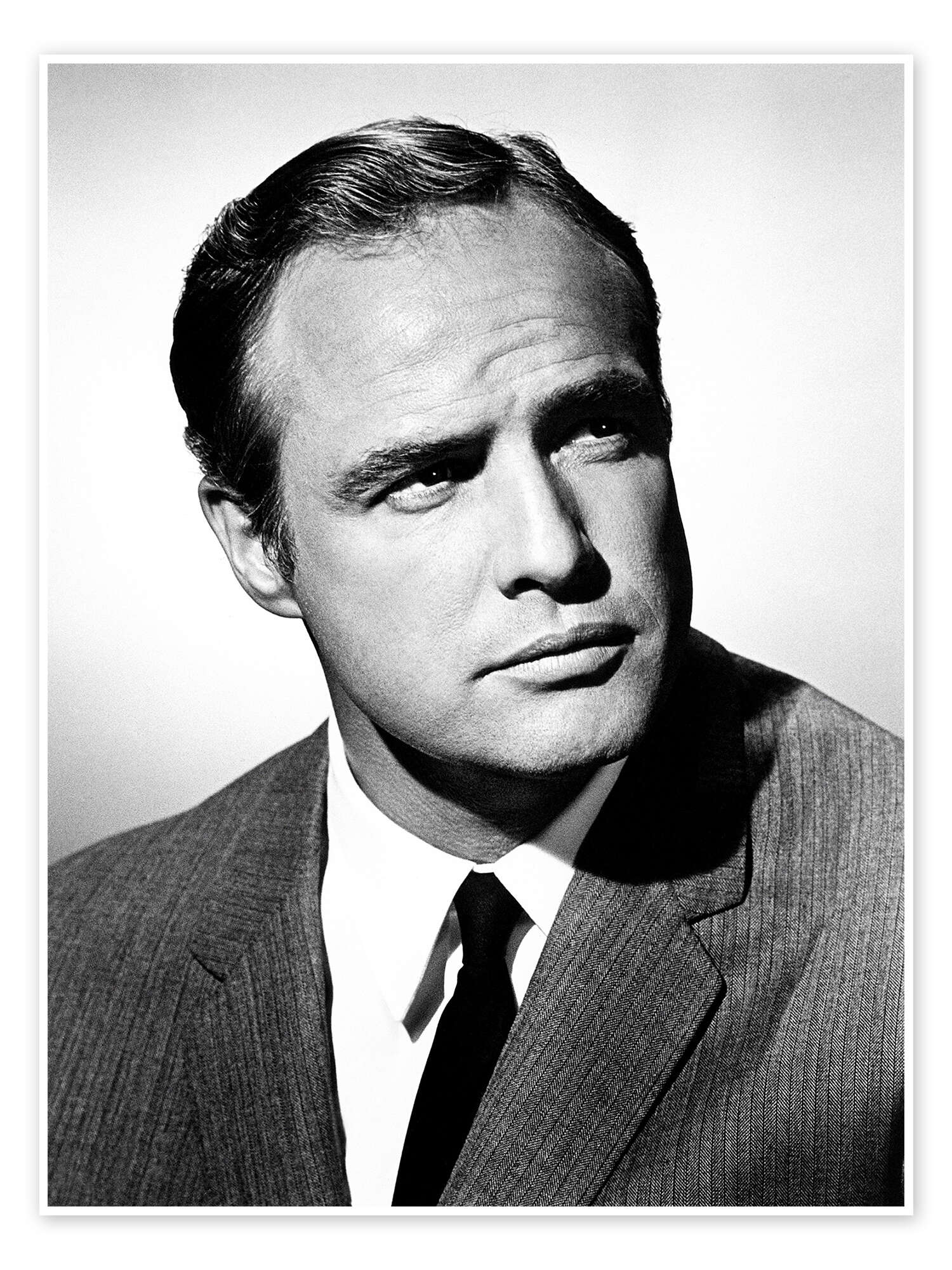
Marlon Brando. The name itself resonates with power, rebellion, and sheer acting brilliance. He wasn’t just a star; he was a supernova, a force of nature that redefined acting in the 20th century. From his explosive debut in A Streetcar Named Desire to his iconic portrayal of Vito Corleone in The Godfather, Brando captivated audiences with his raw emotion, unparalleled charisma, and a revolutionary approach to his craft. This article delves into the life and career of this enigmatic figure, exploring his rise to fame, his groundbreaking acting techniques, his controversial personal life, and the lasting impact he had on the world of cinema. Prepare to be fascinated by the story of a true legend.
Introduction
Marlon Brando wasn’t just an actor; he was a cultural phenomenon. He embodied a new kind of masculinity, one that was sensitive yet strong, vulnerable yet defiant. His performances were electrifying, his presence magnetic. He challenged the conventions of Hollywood, both on and off screen, becoming a symbol of rebellion and artistic integrity. This article explores the multifaceted persona of Marlon Brando, a man whose influence on acting and popular culture remains undeniable.
Frequently Asked Questions
- What was Marlon Brando’s most famous role? While he had many iconic roles, his portrayal of Vito Corleone in The Godfather is arguably his most famous and widely recognized.
- What was Marlon Brando’s acting style? Brando was a pioneer of Method acting, a technique that emphasizes emotional truth and personal experience.
- Was Marlon Brando difficult to work with? Brando’s reputation for being unconventional and sometimes challenging on set is well-documented, but many directors also acknowledged his genius and dedication to his craft.
The Rise of a Star: Early Life and Career
Marlon Brando’s journey to stardom began in Omaha, Nebraska. He showed an early interest in acting, eventually studying at the Actors Studio in New York City, where he honed his skills under the tutelage of Stella Adler and Elia Kazan. His breakthrough role in A Streetcar Named Desire (1951) catapulted him to fame, establishing him as a major force in Hollywood.
- Early Life and Influences: Brando’s upbringing was complex, marked by a sometimes turbulent family life which shaped his rebellious spirit.
- The Actors Studio: This influential acting school played a crucial role in developing Brando’s understanding and use of method acting.
- Stage Success: Before conquering Hollywood, Brando made a name for himself on the Broadway stage, showcasing his immense talent.
- A Streetcar Named Desire: This iconic role not only launched Brando into superstardom but also revolutionized acting in cinema.
- Early Film Roles: Following Streetcar, Brando starred in a series of acclaimed films, solidifying his position as a leading man.
Method Acting: Revolutionizing the Craft
Brando’s embrace of Method acting, a technique that encouraged actors to draw upon their own personal experiences and emotions to create authentic portrayals, profoundly impacted the world of acting. He brought a new level of realism and emotional depth to his characters, influencing generations of actors to come.
- The Philosophy of Method Acting: Understanding the core principles of this technique is key to appreciating Brando’s approach.
- Emotional Recall: Brando’s use of emotional recall, a key component of Method acting, made his performances incredibly powerful.
- Impact on Hollywood: Brando’s success with Method acting paved the way for other actors to explore more realistic and emotionally driven performances.
- Criticisms of Method Acting: While influential, Method acting has also faced criticism for its intensity and potential for emotional strain on actors.
- Brando’s Unique Interpretation: While a proponent of Method acting, Brando also developed his own unique style and approach.
Iconic Roles: A Legacy of Brilliance
From Stanley Kowalski to Vito Corleone, Brando’s filmography is filled with unforgettable characters. He had an uncanny ability to inhabit his roles, transforming himself completely and delivering performances that were both mesmerizing and deeply moving.
- A Streetcar Named Desire (Stanley Kowalski): A raw and powerful portrayal of a complex and often brutal character.
- On the Waterfront (Terry Malloy): A nuanced performance that earned Brando his first Academy Award.
- The Godfather (Vito Corleone): An iconic portrayal of a mafia don, considered by many to be one of the greatest performances in cinematic history.
- Apocalypse Now (Colonel Walter Kurtz): A chilling and unforgettable depiction of a man consumed by war.
- Last Tango in Paris (Paul): A controversial but powerful exploration of grief and human connection.
- Superman (Jor-El): Even in a smaller role, Brando commanded the screen with his presence.
Beyond the Screen: Personal Life and Controversies
Brando’s life off-screen was often as dramatic as his on-screen roles. He was known for his rebellious nature, his outspoken political views, and his complex personal relationships. These aspects of his life often overshadowed his acting career, adding another layer of intrigue to his already enigmatic persona.
- Rebellious Image: Brando cultivated a rebellious image, challenging the norms of Hollywood and society.
- Political Activism: Brando was involved in various social and political causes, often using his platform to speak out against injustice.
- Complex Relationships: His personal life was marked by numerous relationships and marriages, often subject to public scrutiny.
- Controversies: Brando’s outspoken nature and unconventional behavior sometimes led to controversies that impacted his career.
- Later Years: In his later years, Brando became more reclusive, making fewer public appearances.
Conclusion
Marlon Brando’s impact on acting and cinema is immeasurable. He revolutionized the craft with his embrace of Method acting, bringing a new level of realism and emotional depth to his performances. His iconic roles have become ingrained in popular culture, and his influence can still be seen in the work of countless actors today. While his personal life was often tumultuous, his artistry and his dedication to his craft remain undeniable. Marlon Brando wasn’t just a star; he was a legend, a pioneer, and a true icon of the 20th century. His legacy continues to inspire and influence, ensuring that his name will forever be synonymous with acting greatness.
Keywords
Marlon Brando, Method Acting, The Godfather, A Streetcar Named Desire, On the Waterfront