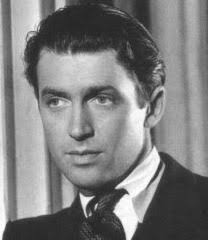
James Stewart. The name evokes images of quintessential American cinema, a lanky figure with a gentle drawl and an unwavering moral compass. But who was James Stewart beyond the iconic roles? This article delves into the life and career of this Hollywood legend, exploring his journey from small-town Pennsylvania to the heights of cinematic acclaim, his wartime service, his personal life, and the enduring legacy he left behind. We’ll uncover the man behind the myth, exploring the complexities and nuances of a true American icon.
Introduction
James Maitland Stewart, known to the world as Jimmy Stewart, wasn’t just a movie star; he was an embodiment of American values. From his breakout role in “Mr. Smith Goes to Washington” to his unforgettable performances in Hitchcock thrillers, Stewart captivated audiences with his sincerity, vulnerability, and quiet strength. This article explores the multifaceted life of this legendary actor, revealing the man behind the screen persona and examining the impact he had on film and American culture.
Frequently Asked Questions
- What were James Stewart’s most famous roles? Stewart is celebrated for a diverse range of roles, including George Bailey in “It’s a Wonderful Life,” Jefferson Smith in “Mr. Smith Goes to Washington,” and Scotty Ferguson in “Vertigo.” He also starred in Westerns like “Destry Rides Again” and “The Man Who Shot Liberty Valance,” as well as comedies like “The Philadelphia Story.”
- Did James Stewart serve in the military? Yes, Stewart was a highly decorated World War II pilot. He joined the Army Air Corps and flew numerous combat missions, rising to the rank of Brigadier General. His military service was a source of great pride for him.
- What was James Stewart’s personal life like? Stewart was known for his quiet dignity and reserved nature. He was married to Gloria Hatrick McLean for 45 years until her death in 1994. They had two daughters and twin sons. He was a devoted family man and kept his personal life largely out of the public eye.
The Early Years and Rise to Fame
James Stewart’s journey began in Indiana, Pennsylvania, where he was born in 1908. His upbringing instilled in him strong moral values and a deep sense of patriotism, qualities that would later define his on-screen persona. After graduating from Princeton University with a degree in architecture, Stewart pursued his passion for acting, joining the University Players, a summer stock company. His talent quickly became evident, and he soon made his way to Broadway and then Hollywood.
- Princeton Education: Stewart’s architectural background is often overlooked, but it provided him with a strong foundation in design and structure, perhaps influencing his approach to character development.
- University Players: This experience provided invaluable stage experience and connections, leading to his early roles in theater and film.
- Early Film Roles: His first film appearances, often in supporting roles, allowed him to hone his skills and establish his unique screen presence.
- Breakthrough with “Mr. Smith Goes to Washington”: This iconic role catapulted him to stardom, showcasing his ability to portray idealism and integrity.
- Contract with MGM: Signing with MGM provided access to high-quality productions and solidified his position as a leading man.
- Developing his Persona: His distinct voice, lanky physique, and everyman charm contributed to the creation of his beloved on-screen persona.
A Star in Wartime and Beyond
Stewart’s career was interrupted by World War II, during which he served his country with distinction. His military service was not a publicity stunt; he was a dedicated and courageous pilot, earning numerous decorations. Returning to Hollywood after the war, he faced the challenge of re-establishing his career. He successfully transitioned into more complex and darker roles, demonstrating his versatility as an actor.
- Enlisting in the Army Air Corps: Stewart’s commitment to serving his country was unwavering, even before the US officially entered the war.
- Combat Missions and Leadership: He flew numerous bombing missions over Europe, rising to the rank of Brigadier General and earning the Air Medal and Distinguished Flying Cross.
- Post-War Career Transition: Returning to Hollywood, Stewart faced the challenge of adapting to a changing industry and evolving audience tastes.
- Collaboration with Alfred Hitchcock: His partnership with Hitchcock resulted in some of his most memorable performances in films like “Rear Window,” “Vertigo,” and “North by Northwest.”
- Exploring Darker Roles: He demonstrated his range by taking on more complex and morally ambiguous characters.
- Western Genre: Stewart’s contributions to the Western genre cemented his status as a versatile and iconic actor.
The Man Behind the Icon
Beyond the screen, James Stewart was known for his integrity, humility, and strong moral compass. He was a devoted husband and father, fiercely protective of his privacy. His personal values resonated with audiences, further solidifying his image as an American icon.
- Family Life: His long and devoted marriage to Gloria Hatrick McLean was a testament to his commitment and stability.
- Private Nature: Stewart valued his privacy and kept his personal life largely out of the public eye.
- Political Views: While not overtly political, his conservative values were well-known.
- Philanthropy: He supported various charitable causes, often quietly and without fanfare.
- Public Image vs. Private Life: The public perception of Stewart as a decent and honorable man largely mirrored his actual personality.
- Enduring Legacy: His influence on American cinema and culture continues to this day.
The Master of Suspense: Hitchcock and Stewart
The collaborations between James Stewart and Alfred Hitchcock produced some of the most iconic and suspenseful films in cinematic history. Their creative partnership pushed Stewart beyond his familiar “good guy” image, exploring darker and more complex characters.
- “Rope”: This experimental film, shot in long takes, showcased Stewart’s ability to handle complex dialogue and suspense.
- “Rear Window”: His portrayal of a wheelchair-bound photographer who witnesses a murder is a masterclass in suspense.
- “Vertigo”: Considered by many to be Hitchcock’s masterpiece, this film explores themes of obsession, identity, and deception.
- “The Man Who Knew Too Much”: Another suspenseful thriller that demonstrated Stewart’s ability to convey tension and vulnerability.
- Impact on Hitchcock’s Films: Stewart brought a unique everyman quality to Hitchcock’s films, making them more relatable and engaging.
- Thematic Exploration: These collaborations often delved into complex psychological themes, showcasing Stewart’s versatility as an actor.
The Timeless Appeal of James Stewart
James Stewart’s appeal transcends generations. His films continue to be watched and celebrated, not just for their entertainment value, but for the values they represent. He embodied an idealized version of American masculinity: honest, courageous, and compassionate.
- Representing American Values: Stewart’s characters often embodied traditional American values of honesty, integrity, and patriotism.
- Relatability: His everyman persona made him relatable to audiences from all walks of life.
- Enduring Popularity: His films continue to be popular, demonstrating the timelessness of his performances and the themes they explored.
- Influence on Acting: His natural and understated acting style has influenced generations of actors.
- Cultural Icon: He remains a symbol of classic Hollywood and American cinema.
- Legacy in Film: His contributions to film history are undeniable, leaving a lasting impact on the industry.
Conclusion
James Stewart was more than just a movie star; he was a cultural icon. His films not only entertained but also reflected the values and aspirations of a nation. From his early roles as the idealistic young man to his later portrayals of complex and flawed characters, Stewart captivated audiences with his sincerity, vulnerability, and quiet strength. His wartime service further solidified his status as a true American hero. James Stewart’s legacy extends beyond his filmography; he represents the best of American character, a man of integrity, courage, and compassion. His influence on cinema and culture remains profound, ensuring that his films will continue to inspire and entertain for generations to come.
Keyword Tags
James Stewart, Jimmy Stewart, Classic Hollywood, Hitchcock, It’s a Wonderful Life