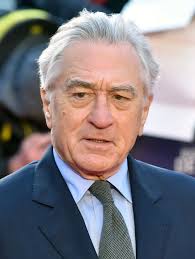
Robert De Niro. The name itself resonates with cinematic history. He’s not just an actor; he’s an icon, a legend whose career spans decades and encompasses some of the most memorable performances ever committed to film. From his gritty portrayals of streetwise New Yorkers to his nuanced explorations of complex characters, De Niro has consistently captivated audiences and critics alike. This article delves into the life and career of this enigmatic figure, exploring his rise to stardom, his most iconic roles, his directorial ventures, and the enduring legacy he has forged in the world of cinema. We’ll uncover the man behind the myth, examining the dedication, the craft, and the sheer talent that have made Robert De Niro a name synonymous with acting excellence.
Introduction
Robert De Niro is more than just a name in Hollywood; it’s a hallmark of cinematic brilliance. With a career spanning over half a century, De Niro has become synonymous with method acting, immersive character portrayals, and an unwavering commitment to his craft. He’s a chameleon, seamlessly transforming from a young Vito Corleone to a tormented Travis Bickle, leaving an indelible mark on every role he inhabits. This exploration of his life and work aims to illuminate the journey of this remarkable artist, revealing the multifaceted nature of Robert De Niro, the actor, the director, and the cultural phenomenon.
Frequently Asked Questions
- What is Robert De Niro’s most famous role? This is subjective, but many would argue it’s either Travis Bickle in Taxi Driver or Vito Corleone in The Godfather Part II. Both performances are iconic and deeply ingrained in cinematic history.
- How many Oscars has Robert De Niro won? De Niro has won two Academy Awards: Best Supporting Actor for The Godfather Part II and Best Actor for Raging Bull.
- What is Robert De Niro’s acting style? De Niro is known for his dedication to method acting, often immersing himself completely in his roles, both physically and emotionally. He’s renowned for his meticulous preparation and attention to detail.
The Early Life and Rise to Stardom
Robert De Niro’s journey began in New York City, where he was born in 1943. His passion for acting ignited early, leading him to study at the Actors Studio. He honed his craft through stage work and smaller film roles before his breakthrough performance in Mean Streets (1973), directed by Martin Scorsese. This collaboration marked the beginning of a long and fruitful partnership that would define both of their careers.
- Early Influences: De Niro’s upbringing in a vibrant, multicultural New York City significantly influenced his acting, shaping his ability to portray diverse characters with authenticity.
- Method Acting Mastery: His dedication to method acting, a technique that emphasizes emotional and psychological immersion, became a hallmark of his performances.
- Scorsese Collaboration: The partnership with Martin Scorsese proved pivotal, resulting in some of cinema’s most celebrated films.
- Breakthrough Roles: Mean Streets and Taxi Driver catapulted De Niro to stardom, showcasing his raw talent and captivating screen presence.
- Developing a Range: Even early on, De Niro demonstrated an impressive range, transitioning between intense dramas and lighter comedic roles.
- Early Awards Recognition: His performance in Bang the Drum Slowly garnered early critical acclaim and hinted at the accolades to come.
Iconic Film Roles and Performances
De Niro’s filmography is a tapestry of unforgettable characters. From the volatile Jake LaMotta in Raging Bull to the menacing Max Cady in Cape Fear, he has consistently delivered powerful and nuanced performances. His ability to embody characters from all walks of life, imbuing them with depth and complexity, has solidified his status as a cinematic giant.
- Travis Bickle (Taxi Driver): A disturbed Vietnam veteran turned cab driver, Bickle is one of cinema’s most iconic and unsettling characters.
- Vito Corleone (The Godfather Part II): De Niro’s portrayal of the young Vito Corleone earned him his first Academy Award.
- Jake LaMotta (Raging Bull): His physically and emotionally transformative performance as the self-destructive boxer is considered by many to be his finest work.
- Max Cady (Cape Fear): De Niro’s chilling portrayal of the vengeful ex-convict is a masterclass in menace.
- Sam “Ace” Rothstein (Casino): He brought a quiet intensity to the role of the casino executive, showcasing his ability to portray complex moral ambiguities.
- Rupert Pupkin (The King of Comedy): A darkly comedic turn as an aspiring stand-up comedian, demonstrating De Niro’s versatility.
Directorial Ventures and Production Company
Beyond his acting prowess, De Niro has also explored his talents behind the camera. He made his directorial debut with A Bronx Tale, a coming-of-age story set in his childhood neighborhood. He also co-founded the Tribeca Film Festival, a significant contribution to the New York City film community.
- A Bronx Tale: De Niro’s directorial debut showcased his ability to tell compelling stories with heart and authenticity.
- Tribeca Film Festival: Co-founding this festival demonstrated his commitment to supporting independent cinema and revitalizing Lower Manhattan.
- Production Company (TriBeCa Productions): This venture allowed De Niro to have more control over the projects he worked on and to champion new talent.
- Focus on Character-Driven Narratives: Both as an actor and director, De Niro has consistently gravitated towards stories that explore the complexities of human nature.
- Mentorship of Young Filmmakers: Through the Tribeca Film Festival and his production company, De Niro has played a role in nurturing the next generation of filmmakers.
- Exploring Different Genres: While known for his dramatic roles, De Niro has also ventured into comedy and other genres, both as an actor and a director.
The Enduring Legacy and Influence
Robert De Niro’s impact on cinema is undeniable. He has set a standard for acting excellence, inspiring generations of actors with his dedication, versatility, and commitment to his craft. His films continue to resonate with audiences, and his influence can be seen in the work of countless contemporary actors.
- Setting a Standard for Acting: De Niro’s commitment to method acting and his transformative performances have raised the bar for acting in Hollywood.
- Inspiring Generations of Actors: His dedication and artistry serve as an inspiration for aspiring actors worldwide.
- Cinematic Icon: He has become a symbol of acting excellence and a cultural icon.
- Influence on Contemporary Cinema: His impact can be seen in the work of many contemporary actors who cite him as an influence.
- Enduring Film Legacy: His filmography is a treasure trove of cinematic masterpieces that will continue to be celebrated for generations to come.
- Beyond Acting: His work as a director and festival founder further solidifies his contribution to the film industry.
Conclusion
Robert De Niro’s journey from a young actor in the streets of New York to a cinematic legend is a testament to his extraordinary talent and unwavering dedication. He has not only entertained audiences with his captivating performances but has also redefined the very concept of acting. His characters are not simply portrayals; they are living, breathing entities, imbued with a depth and complexity that few actors can achieve. De Niro’s legacy extends beyond his on-screen work, encompassing his contributions to the film community through his directorial ventures and his support of independent cinema. He is, without a doubt, a true master of his craft, and his influence on the world of cinema will continue to resonate for generations to come. Robert De Niro is not just an actor; he is an institution, a symbol of artistic excellence, and a true icon of the silver screen.
Keywords
Robert De Niro, Martin Scorsese, Method Acting, Tribeca Film Festival, Iconic Film Roles